

Key Summary
- Document classificationDocuments for expatriate dispatch are divided into three types: corporate documents, personal documents for dispatched employees, and family accompanying documents. If family members accompany you, the number of documents increases two to three times.
- Authentication processMost documents must be translated, notarized, and Apostille (or embassy authentication) to be recognized locally. If any document or certification is missing, visa issuance will be delayed.
- Confirmation of member countriesIf the sending country is a signatory to the Apostille Convention, an Apostille is sufficient. If the sending country is not a signatory, consular authentication and embassy authentication are additionally required. Be sure to check before preparing documents.
- Time to prepareWhen one expatriate + family is involved, the number of documents may reach 20 to 30. For dispatch to non-member countries such as the Middle East and Africa, it is safe to start preparations at least 4 to 6 weeks before the scheduled dispatch date.
“I want to apply for residency, how many documents do I need?”
This is a question I hear a lot from people in charge of human resources and general affairs.
To conclude, there are more than you think. If family members accompany you, the number of documents increases two to three times.
Dispatch of an expatriate is not simply “just get a visa and pay it.” Company documents required for local corporation registration, employee's visa/employment documents, spouse's visa documents, children's international school admission documents — all of these must be prepared at once.
What is more difficult is that most of these documents require translation + notarization + Apostille (or embassy authentication) to be recognized locally.
In this article, we will organize the documents required for dispatching expatriates by corporate, individual, and family categories, and even guide you on what authentication procedures you need to follow.
Check first: Is the sending country a signatory to Apostille?
You must check this first before viewing the document list. This is because the authentication process is completely different depending on whether the sending country is a member of the Apostille Convention or not.
| Classification | Apostille member countries | Non-Apostille countries |
|---|---|---|
| Authentication procedure | Translation → Notarization → Apostille | Translation → Notarization → Consulate confirmation → Embassy authentication |
| Steps required | Step 3 | Step 4 |
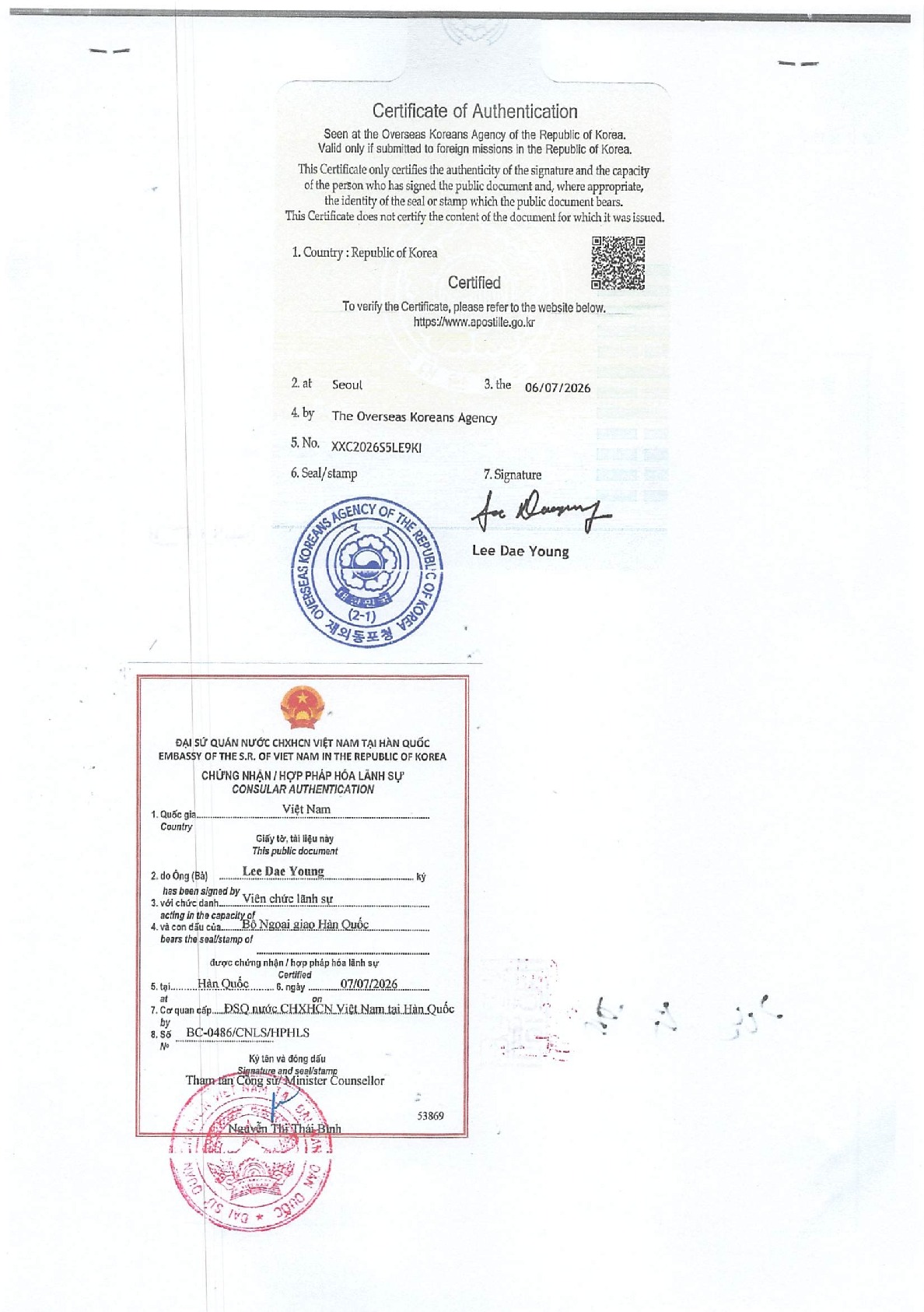
| Examples of applicable countries | USA, Japan, China, Indonesia, Saudi Arabia | UAE, Qatar, Kuwait, Vietnam (~2026.09), Malaysia |
When dispatching to a non-member country, not only the number of documents but also the number of steps in the process increases. This is why companies sending expatriates to Middle Eastern countries need to take more time to prepare documents.
The latest list of member countries is Homepage of the Office of Overseas Koreans (oka.go.kr) or The Hague Conference on Private International Law (hcch.net) You can check it in.
Complete checklist of expatriate dispatch documents
Let me show you the entire flow first.
(1) Preparation of corporate documents → (2) Personal documents of dispatched employees → (3) Documents accompanying family members → (4) Translation/notarization/certification → (5) Visa application → (6) Submission on site
Let’s solve each category.
Category 1: Corporate Documents
This is a company document that serves as the basis for establishing a local corporation, registering a branch, or issuing a work visa. Required items vary depending on the country of dispatch and purpose, but the documents below are commonly requested by most countries.
| Documents | Official/private documents | Remarks |
|---|---|---|
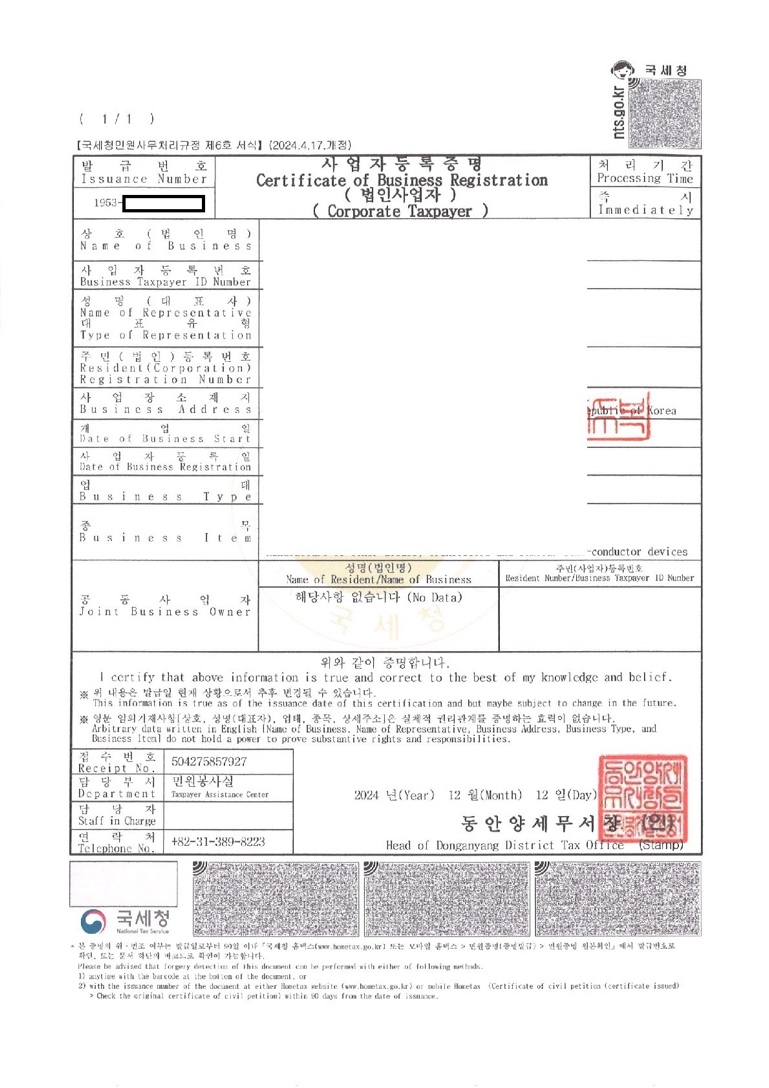
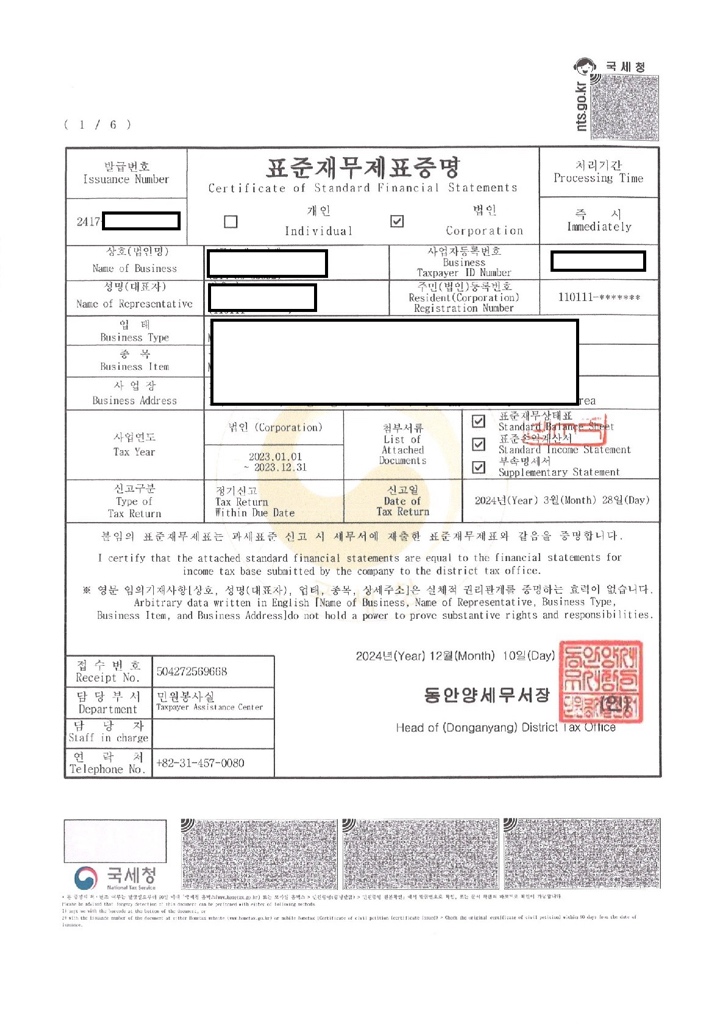
| Business registration certificate / financial statements | Official document | Apostille possible right away |
| Copy of corporate register | Official document | Apostille possible right away |
| Articles of Incorporation | Private document | Apostille after notarization |
| Board of Directors minutes (dispatch resolution) | Private document | Apostille after notarization |
| Audit report | Private document | Apostille after notarization |
| Power of Attorney | Private document | Apostille after notarization |
There is a point here that is easy to miss. Since the business registration certificate or certified copy of the corporate register are public documents, you can receive an Apostille immediately without notarization (if translation is necessary, the translation must be notarized), but the Articles of Incorporation or Board of Directors minutes must be notarized first because they are private documents issued by the company. In practice, we often see cases where an Apostille application for a private document is immediately rejected and then rejected.
Category 2: Temporary employee personal documents
This is a document required to apply for a work permit for expatriates.
| Documents | Official/private documents | Remarks |
|---|---|---|
| Copy of passport | — | Certification not required (submit copy) |
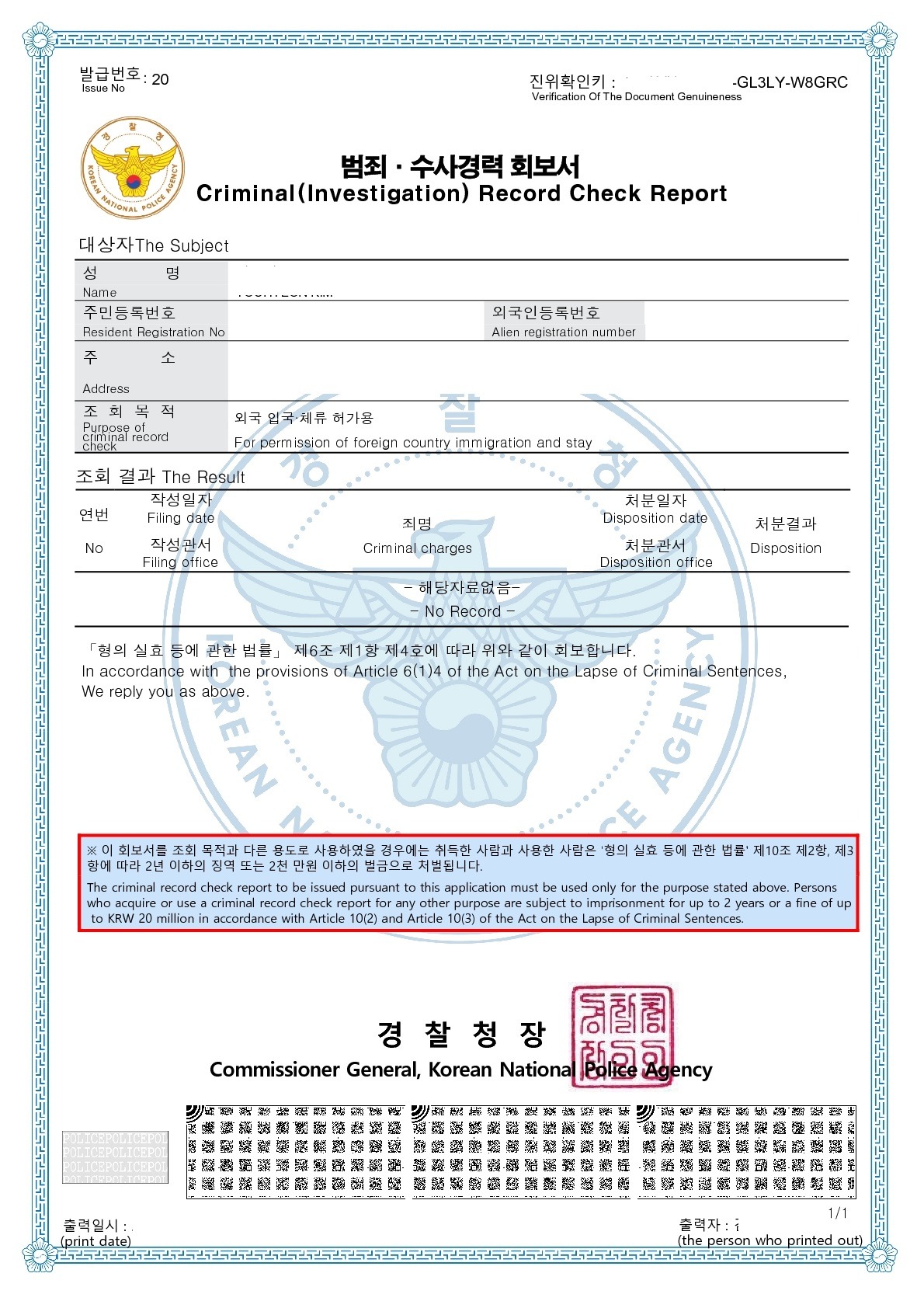
| Criminal record certificate (criminal record report) | Official document | Issued by the National Police Agency, Apostille possible immediately |
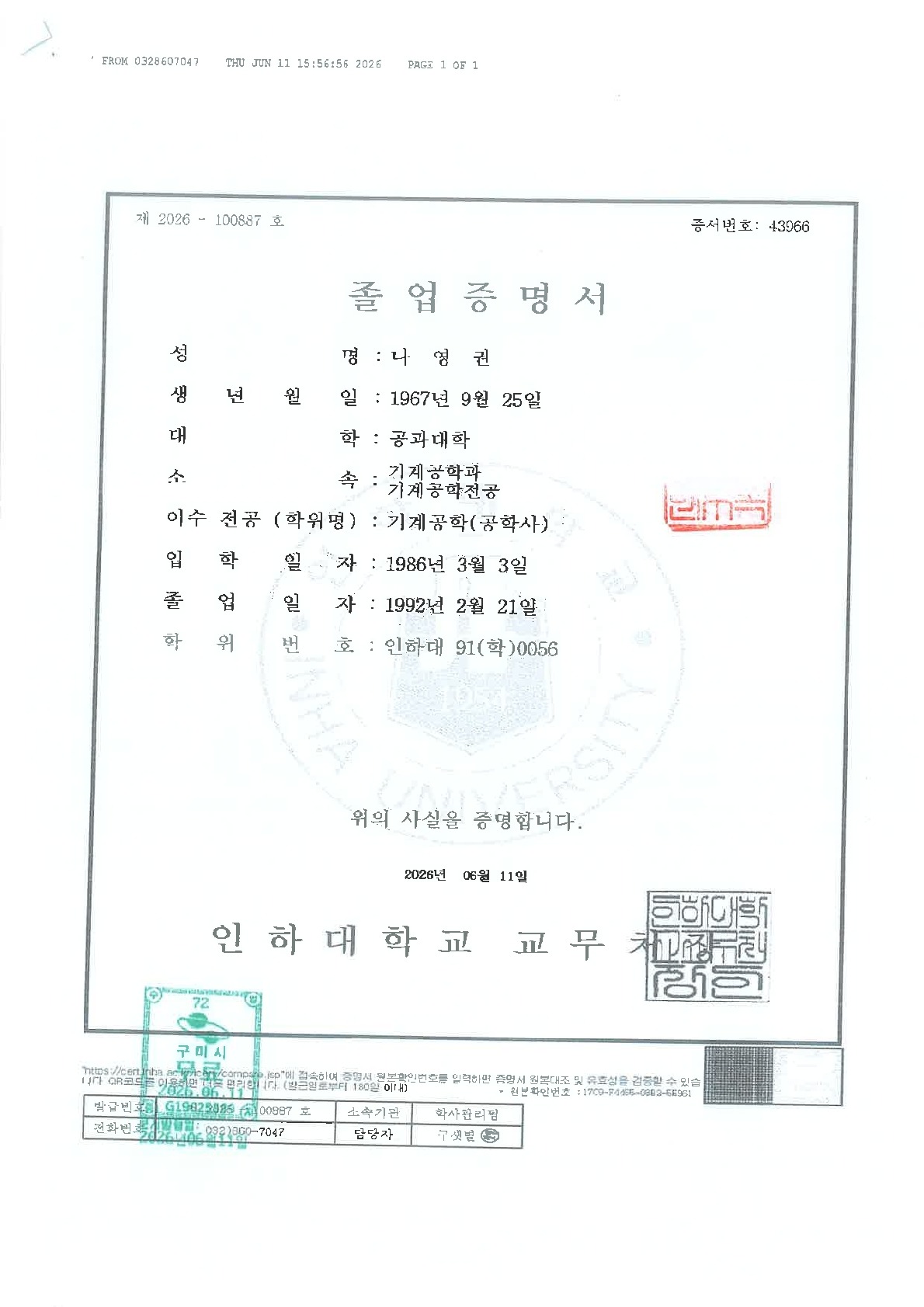
| Graduation certificate | National: public documents / private: private documents | Private university graduation certificate requires notarization |
| Career certificate | Private document | Apostille after notarization |
| Certificate of employment | Private document | Apostille after notarization |
| Health checkup (medical certificate) | Private document | Issued by designated hospitals depending on the country |
| Copy of certificate/license | Official document (when issued by government office) | Required when dispatching technical workers |
| Passport photo | — | Specifications vary by country |
A criminal record certificate is a document required by almost all countries. You can get it from the National Police Agency, and since it is an official document, you just need to get an Apostille right away. However, the validity period is usually 6 months, so if it is issued too early, it may expire at the time of submission. You have to get your timing right.
In the case of a graduation certificate, a national or public university graduation certificate is an official document, so you can receive an Apostille right away, but a private university graduation certificate is classified as a private document, so it must be notarized first. Although it is the same graduation certificate, the procedures differ depending on the issuing institution, so be sure to check.
Category 3: Family accompanying documents
This is an additional document required when the spouse and children of the expatriate accompany the expatriate. This is the most burdensome area of document preparation because the documents are multiplied by the number of family members.
Visa documents for spouse
| Documents | Official/private documents | Remarks |
|---|---|---|
| Copy of spouse’s passport | — | — |
| Marriage certificate | Official document | Apostille possible immediately (proceeded after translation notarization depending on submission destination) |
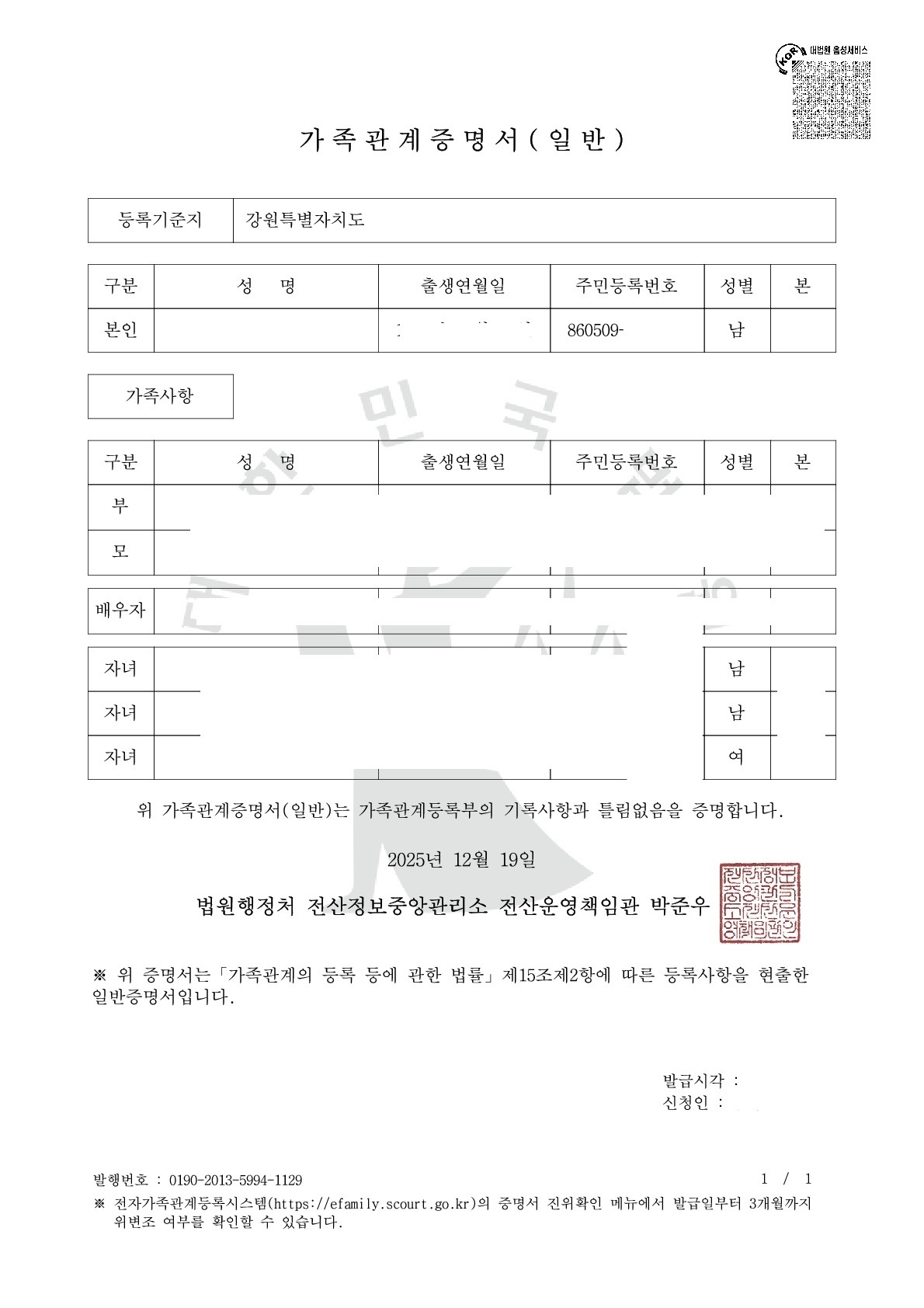
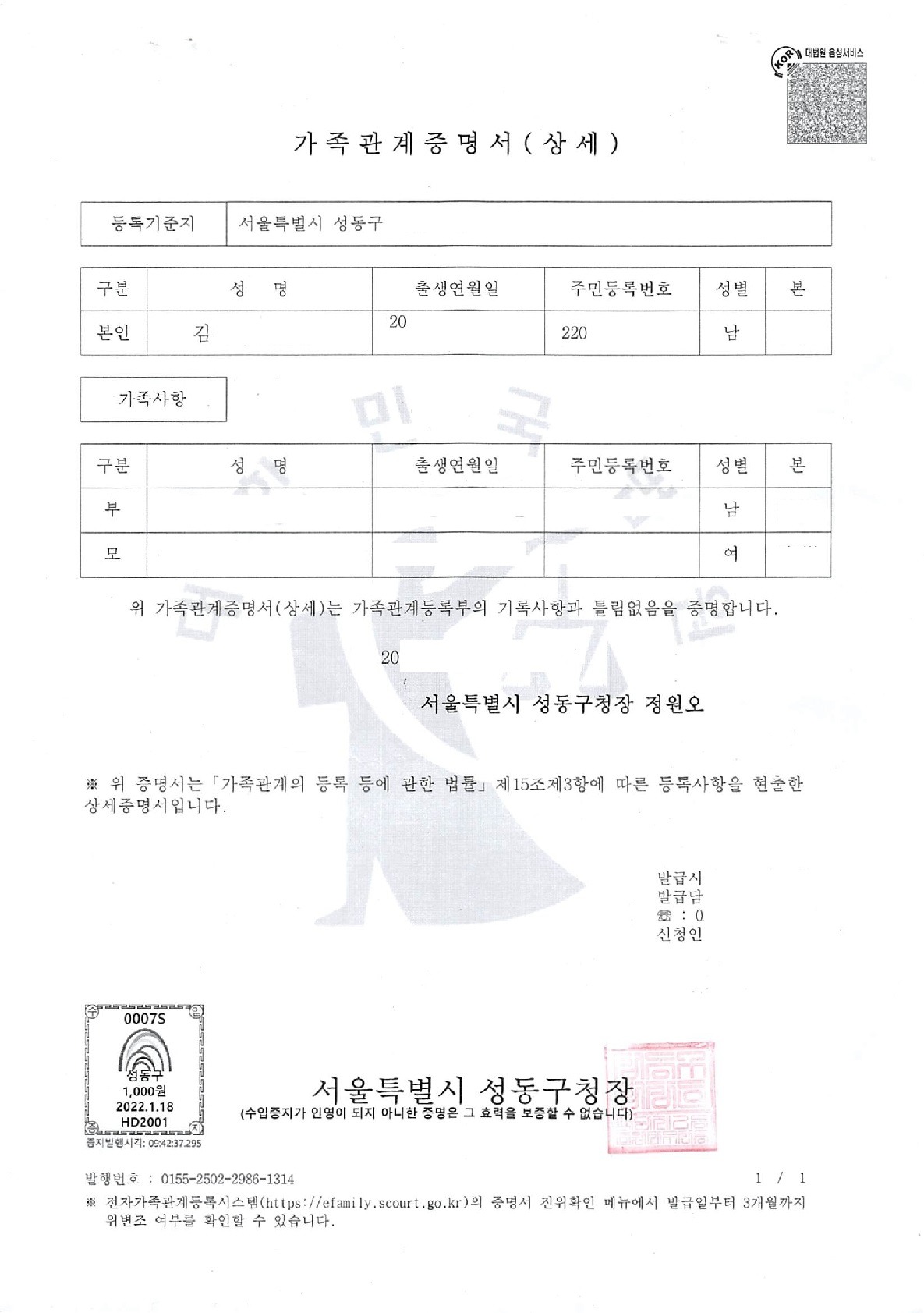
| Family relationship certificate | Official document | Apostille possible right away |
| Spouse criminal record certificate | Official document | Required depending on country |
| Spouse health checkup | Private document | Required depending on country |
Documents accompanying children (international school/local school admission)
| Documents | Official/private documents | Remarks |
|---|---|---|
| Copy of child's passport | — | — |
| Basic certificate (for birth certificate purposes) | Official document | Apostille possible immediately (proceeded after translation notarization depending on submission destination) |
| Family relationship certificate | Official document | Proof of parent-child relationship |
| Certificate of enrollment / transcript | National: public documents / private: private documents | Required for transfer/transfer |
| Vaccination certificate | Official document | Since it is an official document, Apostille is required immediately. |
| Parental consent (overseas movement of minors) | Private document | Signatures of both parents + notarization required |
Parental consent requires special attention. When a minor child goes abroad, many countries require a consent form signed by both parents. Since this document is a private document, it must go through the notarization → Apostille (or embassy authentication) process.
If there are 2 to 3 children, the same documents must be prepared for the same number of children, so the total number of documents increases rapidly. If one expatriate brings a spouse and two children, it is not uncommon for the total number of documents to reach 20 to 30.
Document authentication process at a glance
The flow of the authentication process for all documents summarized above is as follows.
| Document Type | Authentication procedure |
|---|---|
| Official document (Business registration certificate, certified copy of register, graduation certificate (national or public), family relationship certificate, etc.) | Translation (notarized if necessary) → Apostille (for member countries) or consulate confirmation + embassy authentication (for non-member countries) |
| Private document (Articles of incorporation, employment certificate, career certificate, graduation certificate (private), parental consent, etc.) | Translation → Notarization → Apostille (for member countries) or consulate confirmation + embassy authentication (for non-member countries) |
There is only one key difference. Notarization is added to private documents. Just remember this.
Even if it is an official document, additional notarization may be required if local translation is requested. Be sure to check the submission requirements first.
Estimated lead time
| Steps | Duration |
|---|---|
| Issuance of documents (official documents + private documents) | 1-3 days |
| Translation | 2 to 5 days depending on the amount of documents |
| Notarization (private document) | Same day ~ 1 day |
| Apostille issuance (visit) | Same day ~ Next day |
| Apostille issuance (mail) | 7-10 days |
| Embassy authentication (non-member country) | Varies by country, 3 days to 2 weeks |
| All (Apostille member countries, based on visit) | Approximately 1-2 weeks |
| All (non-member countries, including embassy certification) | Approximately 2 to 4 weeks |
Although it does not take long for each document, there are many and they must be processed in order. Since the translation can be notarized only after the translation is completed, and the apostille can only be received once the notarization is complete, if even one request for supplementation comes in the middle, the entire schedule will be pushed back.
Especially in the case of embassies in Middle Eastern countries, the processing period is often difficult to predict, so we recommend that you start preparing documents at least 4 to 6 weeks before the scheduled dispatch date.
3 things often missed in practice
1. Mistaking a private university graduation certificate as an official document
This is a mistake that occurs frequently enough to be emphasized over and over again. Since a private university graduation certificate is a private document, if you apply for an Apostille without notarization, it will be rejected. However, in the case of private elementary, middle, and high schools, it is treated as a document issued by a government agency and classified as an official document. Please note that the standards for universities and elementary, middle, and high schools are different.
2. Failure to manage document validity period
Criminal record certificates (usually 6 months), health checkups (different by country), employment certificates, etc. have an expiration date. If a document is issued early and expires at the time of visa screening, it must be reissued + translated + notarized + apostilleed from the beginning. The key is to calculate the timing of issuance by calculating back from the expected visa application date.
3. Issuance of “for viewing”
When printing documents from Government 24 or the Supreme Court Internet Registry, they must be issued for “submission” rather than “for viewing.” Since it is for viewing only, it has no legal effect, so the issuance of the Apostille itself will be refused.
Frequently Asked Questions
Q. I am dispatching an expatriate, do I need to translate all documents?
Must be translated into the language required by the local submission site (Immigration Service, Ministry of Labor, school, etc.). However, not all documents are subject to translation. Documents that can be issued in English (English graduation certificate, English business registration certificate, etc.) may not require separate translation when submitted to an English-speaking country. A way to reduce costs is to check with the submission site first and determine the scope of translation after confirmation.
Q. Even if my family joins later, do I have to prepare all the documents from the beginning?
The list of required documents is the same whether you apply for the resident's own visa and family accompanying visa simultaneously or sequentially. However, if you join later, problems with document validity may arise, so it is safer to have documents issued and certified at the time of joining.
Q. Can translation administrator certification be used instead of notarization?
Varies by country. In some countries, such as the United States, Canada, Australia, and New Zealand, translations are recognized only through translation administrator certification (certified translation). However, in most cases, a separate notarization is required to receive an Apostille. Please remember that translation administrator certification and Apostille notarization are separate procedures.
Q. Do the required documents vary depending on the type of visa?
Yes, it varies. Required documents vary depending on the type of visa, such as a work permit, intra-company transfer visa, or investment visa, and even for the same visa, they vary by country. The list compiled in this article is the most commonly required document standard, so be sure to check the requirements of the embassy or immigration office of the sending country for a specific list.
Source summary
| Grounds | Confirmation location |
|---|---|
| List of countries that have signed the Apostille Convention | Overseas Koreans Office oka.go.kr |
| Apostille issuance procedures and fees | Overseas Korean Office oka.go.kr |
| Official/private document classification standards | Information on Apostille issuance by Overseas Koreans Office |
| 42 types of official documents eligible for online Apostille | Office of Overseas Koreans apostille.go.kr |
The above information can be checked directly at the Office of Overseas Koreans (oka.go.kr). This article is intended to provide practical information, not legal advice, and required documents and certification procedures may vary depending on the sending country, visa type, and submission destination. For specific issues, please seek professional advice.
Finishing
If there is one expatriate + a family member, the number of documents increases to 20 to 30, and if several people are dispatched at the same time, the number increases to dozens. Separating public and private documents, translating them, notarizing them, and even getting Apostille or embassy authentication — repeating this process for each case is a considerable burden for the HR staff to handle alone.
Especially in cases where embassy authentication is required, such as in the Middle East or African countries, the document types and processing methods required by each embassy are different, so if you proceed without experience, the probability of rejection increases.
Document authentication agency service If you are curious about the specific scope of, please refer to the information page. If you inform us in advance of the country of dispatch, number of people (including family members), expected date of dispatch, and visa type during consultation, we can provide you with an accurate list of documents and schedule.
We will organize expatriate dispatch documents all at once
When consulting, please let us know the country of dispatch, number of people dispatched (whether accompanied by family), expected date of dispatch, and visa type, and we will provide you with a list of documents and schedule.


