

Key Summary
- StandardIn the Middle East, document authentication methods vary from country to country. You must first check whether the country to which you are submitting is a signatory to the Apostille Convention.
- Member StatesSaudi Arabia, Qatar, Türkiye, Israel, and Morocco are processed with Apostille.
- Non-member countriesUAE, Iraq, Iran, and Egypt require consular authentication and embassy authentication from the Ministry of Foreign Affairs.
There are frequently asked questions. “I want to export to the Middle East, but how do I authenticate my documents? Is embassy authentication required for all Middle East countries?”
No. If you think of the Middle East as one thing, it is easy to make a mistake in the process. Even in the Middle East, there are countries that have joined the Apostille Convention and countries that have not, so each country has different authentication methods. If you do not distinguish this accurately, you will waste time and money by following the wrong procedures.
In this article, we will divide the major countries in the Middle East into Apostille countries and embassy certification countries and provide a big picture of export document certification. This will be helpful for companies entering the Middle East market or preparing to export.
One criterion is whether or not to join the agreement.
There is only one standard for understanding Middle East document authentication. The question is whether the country has joined the Apostille Convention.
When submitting documents to a country that has joined the convention, it ends with an Apostille from the Ministry of Foreign Affairs. When sending to a country that is not a member, you must follow the old method, i.e., obtain consular authentication from the Ministry of Foreign Affairs and obtain authentication once more from the relevant country's embassy in Korea. This embassy certification is required for the document to be accepted in non-registered countries. So the process is completely different depending on which country in the Middle East you are sending it to.
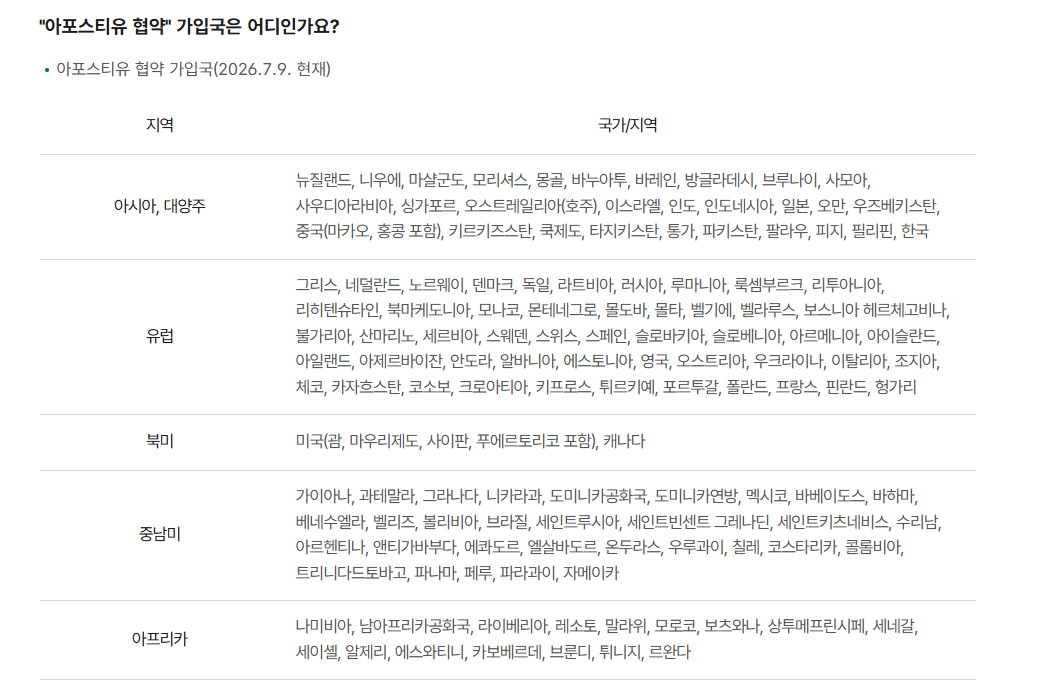
Middle Eastern countries processed with Apostille
Let’s look at the representative countries in the Middle East that have joined the Apostille Convention.
Saudi Arabia joins the convention in 2022. So, when submitting documents to Saudi Arabia, they are processed with Apostille. However, since it is a transition period, some Saudi government agencies or employers may still require additional verification in the old way, so it is safe to check with the submission source in advance. Qatar is also classified as a party to the convention.
In addition, Türkiye, Israel, and Morocco are also signatories to the Apostille Convention. Documents sent to these countries are processed with one step of Apostille without embassy authentication. Since it is a signatory to the convention, the procedure is relatively simple.
Middle Eastern countries requiring embassy authentication
Conversely, there are many Middle Eastern countries that have not joined the Apostille Convention. These countries require consular authentication and embassy authentication.
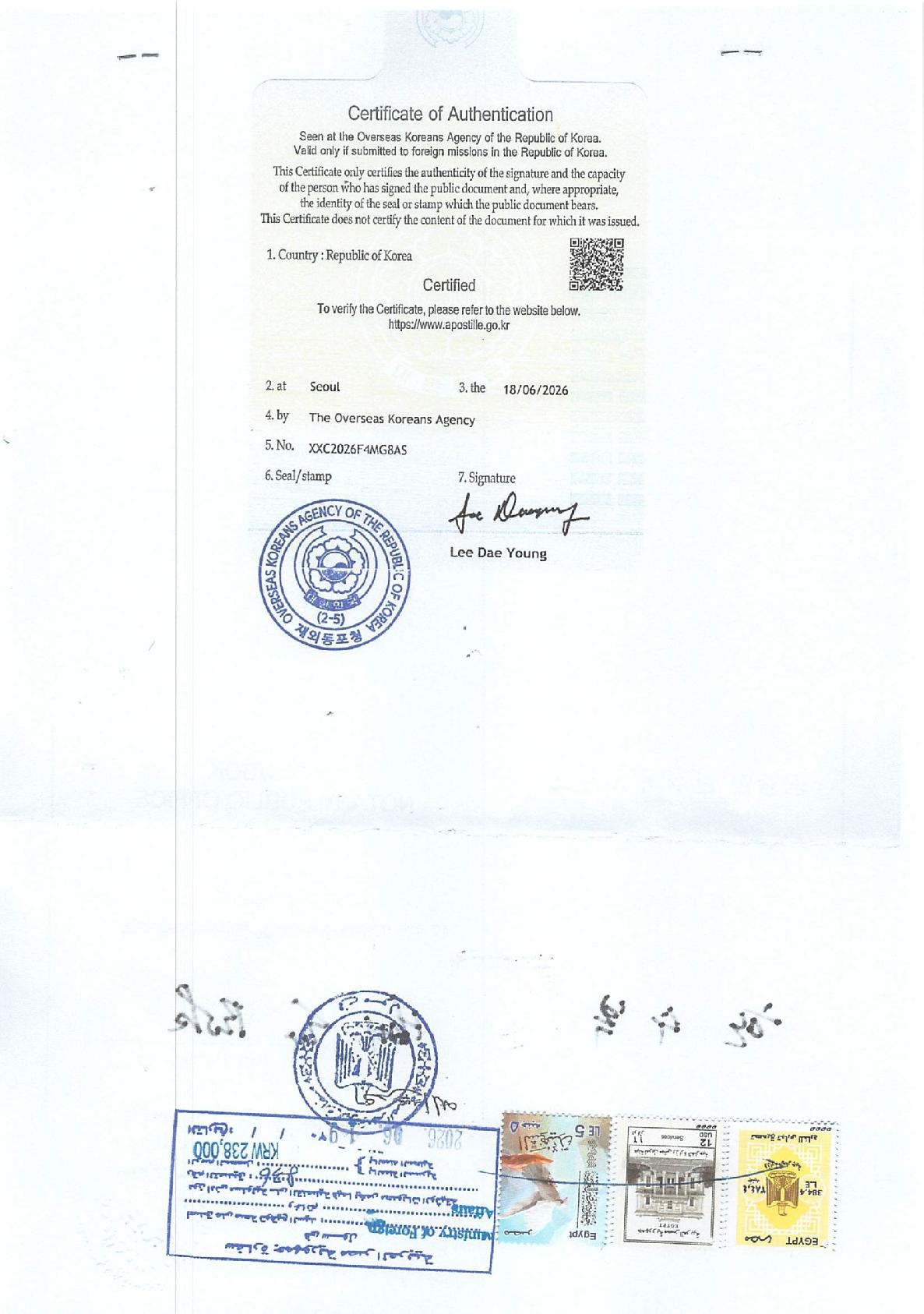
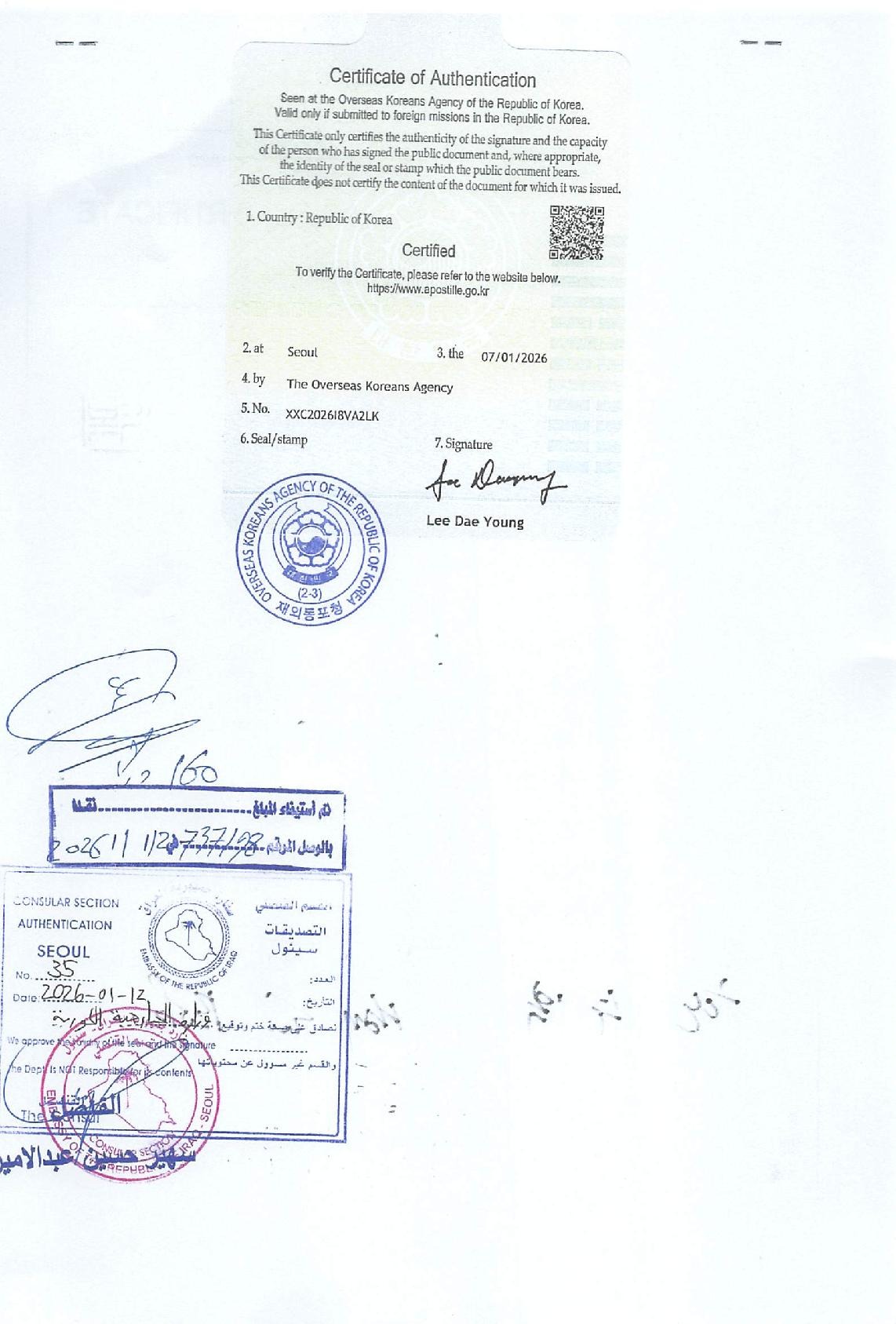
The UAE is a representative non-member country. You must receive consular authentication from the Ministry of Foreign Affairs and authentication from the UAE Embassy in Korea, and in many cases, an additional step of authentication from the local Ministry of Foreign Affairs is required. Iraq and Iran are also non-member countries and require consular authentication. Egypt is also a non-member country and requires embassy authentication.
For these non-subscription countries, there is one more step, so the processing time is longer and the cost is higher. Each embassy has different application requirements, and in some cases, such as the UAE, additional authentication is required after arrival, so you must also pay attention to managing the original.
Agreement status changes, confirmation is important
There is something to remember here. The status of accession to the Convention is not fixed.
Saudi Arabia joined in 2022, and some non-member countries may join the agreement in the future. Countries that required embassy authentication until last year may change to Apostille this year. So, if you judge the procedure based only on past experience, you may be wrong. In the Middle East in particular, situations vary from country to country, so if it is an important document, it is safer to check the latest standards at the time of submission before starting.
Common preparation requirements for Middle East export documents
Although the authentication method is different for each country, there are common things that must be included in Middle East export documents.
Documents such as export contracts, sales authorization letters, and free sales certificates required for product registration are often required. Most of these documents require translation, and when submitting a translation, authentication is often required for both the original and the translated notarized document. Please note that there are cases where only the translated version is certified and then rejected because the authenticity of the original cannot be confirmed locally. Additionally, documents such as a power of attorney have a renewal cycle for each country, so if you are a company that does repeated business, it is a good idea to manage the timing of renewal.
Frequently Asked Questions
Q. Is embassy authentication required for all Middle East countries?
No. Countries such as Saudi Arabia, Qatar, Türkiye, Israel, and Morocco are signatories to the Apostille Convention, so they process with Apostille. Non-member countries such as UAE, Iraq, Iran, and Egypt require consular authentication and embassy authentication.
Q. In Saudi Arabia, is it Apostille or Embassy authentication?
Saudi Arabia will join the convention in 2022 and process it with Apostille. However, since it is a transition period, some organizations may require additional verification using the old method, so it is recommended to check with the submission source in advance.
Q. Why are the procedures more complicated in the UAE?
Since the UAE is an unregistered country, you must undergo consular authentication and embassy authentication, and in many cases, an additional step of authentication from the local Ministry of Foreign Affairs is required upon arrival. You should also pay attention to original management.
Q. How do I check which country the submission is from?
Whether to join the Apostille Convention Office of Overseas Koreans Ina HCCH Official Site You can check it in. Agreement status may change, so it is best to check the latest standards at the time of submission.
Q. How do I certify the translation of Middle East export documents?
When submitting a translation, authentication is often required for both the original and the translated notarized document. If only the translation is certified, it may be rejected because the authenticity of the original cannot be confirmed locally, so it is recommended to check the submission requirements.
Conclusion
Middle East export document authentication is divided into Apostille and Embassy authentication depending on the country. Member countries such as Saudi Arabia, Qatar, and Türkiye use Apostille, while non-member countries such as UAE, Iraq, and Egypt use consulate confirmation and embassy authentication. Rather than lumping the Middle East together, the starting point for an accurate procedure is to check which country is the submission destination.
Nanum Global processes Apostille, consular authentication, and embassy authentication for each Middle East country according to the country of submission. We will guide you through which country applies to which procedure, what you need to prepare for each document, and how to certify the translation. If you are concerned about Middle East export documents, please let us know the country to which you are submitting and the type of documents. We will guide you through the procedures and preparations for each country. If you are a company that exports repeatedly to several Middle Eastern countries, we can accommodate country-specific requirements and even manage renewals.
Middle East export document authentication, leave it to Nanum Global
If you tell us the country you are submitting to and the type of document, we will guide you through which procedures are required: Apostille, consular authentication, or embassy authentication.


